
Letters as Witnesses
An Officer and a SpyThis thread traces how private letters, intercepted notes, and forged messages become rival witnesses in a case where direct testimony is often unavailable.
increasing Bearing strength in each event
 decreasing
Bearing strength in each eventdecreasingThe Bordereau Reconstructed
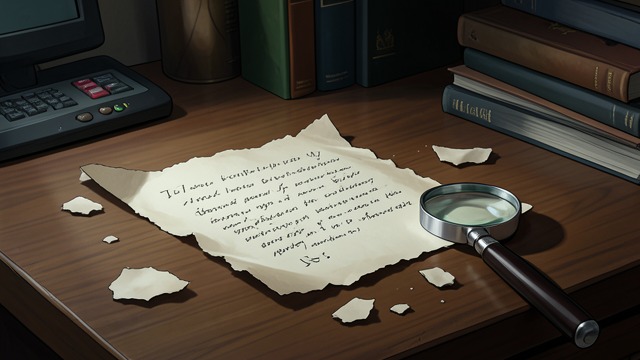
The Bordereau Reconstructed
Fragments become a document
The Statistical Section pieces together the torn bordereau from material collected at the German Embassy. The reconstructed page becomes the central object in the prosecution.
A silent witness interpreted
Its words list information and a firing manual but do not name Dreyfus. Investigators make the document speak through assumptions about access, identity, and motive.
The Family’s Correspondence
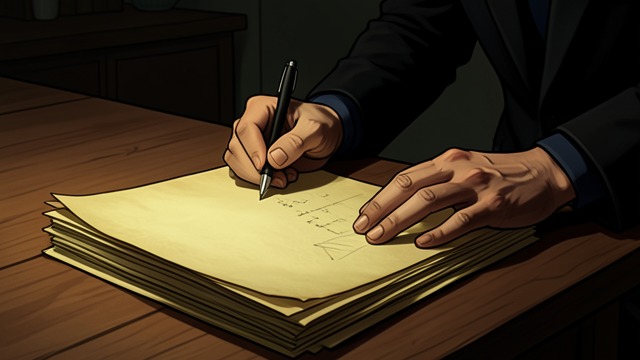
The Family’s Correspondence
Private words collected
Letters between Alfred and Lucie Dreyfus are copied, censored, and placed in official files. The intimate language of spouses becomes material for intelligence analysis.
Emotion survives the archive
The letters preserve evidence of suffering and loyalty that official reports cannot convey. Their existence also shows how surveillance turns private feeling into a public instrument.
Letters Against the Verdict
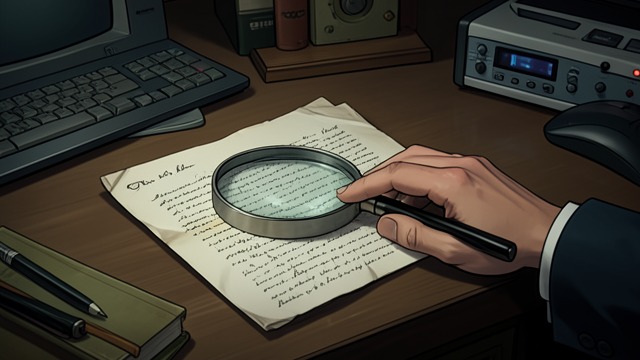
Letters Against the Verdict
A handwriting comparison
Esterhazy’s transfer letters resemble the bordereau, and Bertillon confirms the match. The new writing directly contests the original attribution.
Evidence changes owners
The same form of evidence once used against Dreyfus now supports Esterhazy’s guilt. The letters expose how handwriting analysis depends on both comparison and the willingness to revise.
A Forged Letter
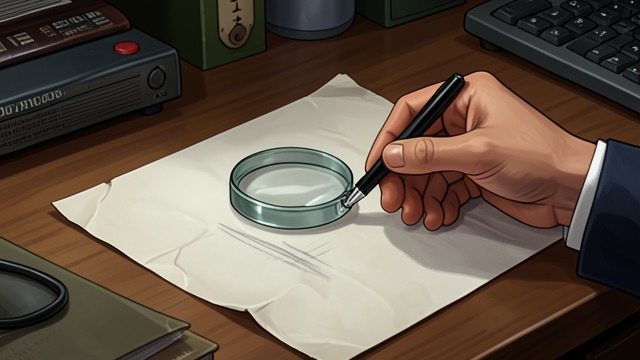
A Forged Letter
Fabricated testimony on paper
Henry creates a letter that appears to connect Dreyfus with foreign agents. Its official handling makes a forgery look like an independent witness.
Physical details reveal truth
A difference in the paper’s lines exposes the document’s construction. The forged letter demonstrates that documentary authority depends on provenance, not merely on official custody.
The Private Archive
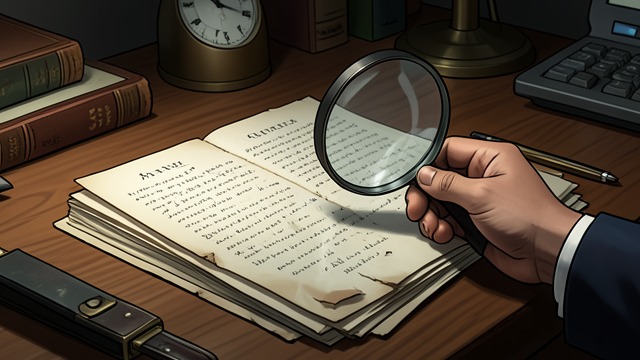
The Private Archive
Files endure beyond secrecy
Picquart’s reports, correspondence, and copies remain available for later legal review. Documents once treated as dangerous or inaccessible can finally be examined together.
Paper outlasts power
The final judgment depends on patiently comparing records and restoring context. The novel presents archives as both instruments of control and potential witnesses against it.
September 1894
1894–1895
August 1896
1896–1898
1906
